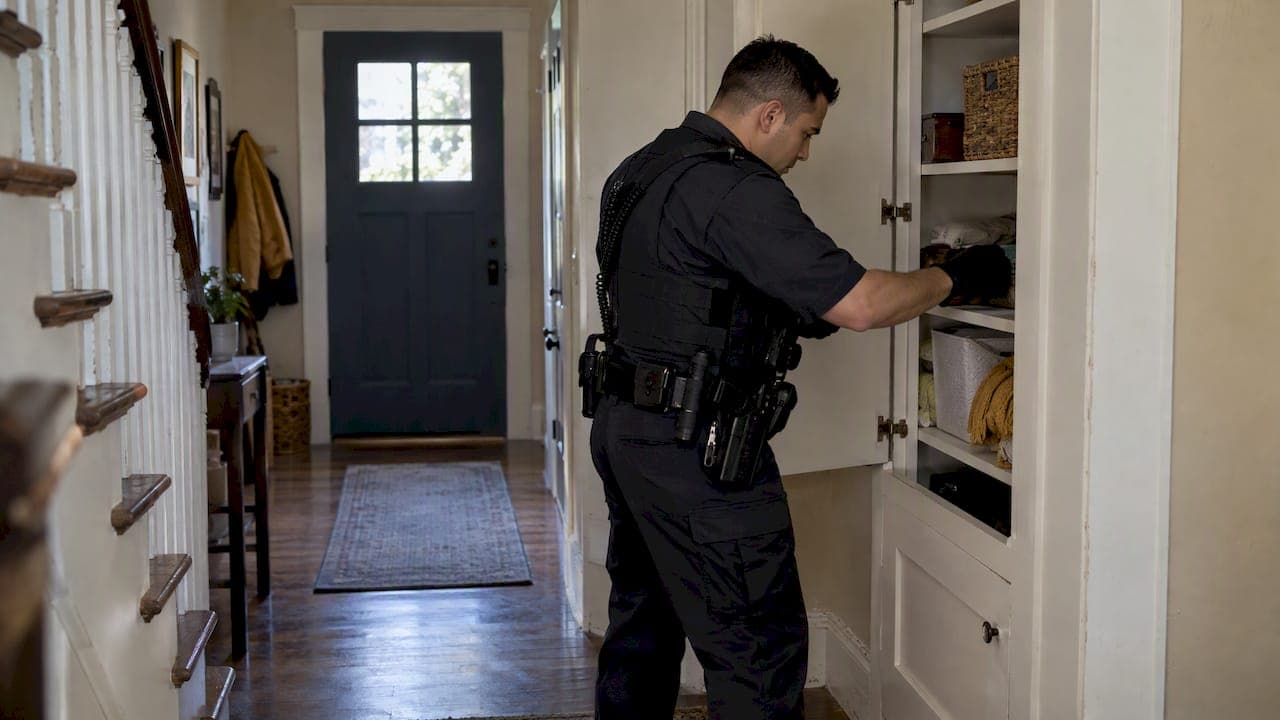
A police search in California is unlawful when officers search you, your car, your phone or your home without a valid warrant, a recognized exception to the warrant requirement, or legitimate consent. The usual remedy is a motion to suppress under Penal Code section 1538.5, which asks a judge to keep the tainted evidence away from the jury. It does not erase the arrest, and it only works if it is raised correctly and on time.
This guide explains what makes a search unlawful, the exceptions police rely on, how a suppression hearing works, and what to do in the days after a search you believe crossed the line.
TL;DR
- A warrantless search is presumed unreasonable unless it fits a specific exception, such as valid consent, a search incident to arrest, or an emergency.
- The main remedy in a criminal case is a motion to suppress under Penal Code 1538.5, which can keep the evidence out of your trial.
- Consent is the exception that most often decides cases. Saying "I do not consent" calmly, without physically resisting, protects you later.
- Deadlines matter. Suppression motions in felony cases generally must be filed and served at least 10 court days before the hearing.
- Do not lie to officers or give a false name. That creates a separate crime and can sink an otherwise strong suppression argument.
Table of Contents
- What makes a police search unlawful in California
- The exceptions police rely on most
- Consent: the exception that decides most cases
- Phones, cars, homes and probation conditions
- How a motion to suppress works
- What suppression does and does not do
- What to do in the days after an unlawful search
- Our perspective
- When to bring in a San Diego criminal defense attorney
- FAQ
- Sources
What makes a police search unlawful in California
The Fourth Amendment protects you from unreasonable searches and seizures. In practice, that means police need a warrant for most searches. In California, a search warrant is a written order signed by a magistrate that directs an officer to search for specific people or things. The warrant has to describe what officers may look for and where.
The U.S. Supreme Court has put the rule plainly: a warrantless search is reasonable only if it falls within a specific exception to the warrant requirement. So the question in almost every illegal search case is not "did they have a warrant?" but "if they did not, which exception can the prosecution prove?"
A search can be unlawful in several ways:
- No warrant and no exception. Officers open your bag, enter your home or go through your car with nothing that justifies it.
- A defective warrant. The warrant lacks probable cause, is too vague about what it covers, or officers search beyond its scope.
- A bad stop that leads to a search. If the detention itself was unjustified, what officers found afterward can be challenged as the product of that stop.
- Consent that was not truly voluntary. Pressure, threats or claims that officers could just get a warrant anyway can undercut consent.
- A search that outlasts its justification. A quick pat-down for weapons is not permission to empty your pockets and read your messages.
The exceptions police rely on most
Officers do not need a warrant in every situation. Knowing the common exceptions helps you see why a search that feels wrong may still be lawful, and why some are not.
| Exception | What police say | Where it is often challenged |
|---|---|---|
| Consent | You agreed to the search | Was it voluntary? Did you have authority over the space? |
| Search incident to arrest | They arrested you and searched you or your reach | Was the arrest itself lawful? Was the search tied to safety or evidence? |
| Vehicle (probable cause) | They believed the car held evidence or contraband | Was there real probable cause, or just a hunch? |
| Exigent circumstances | An emergency left no time for a warrant | Was the emergency genuine or after the fact? |
| Plain view | They saw contraband from a place they were allowed to be | Were they lawfully there to begin with? |
| Probation or parole search condition | You agreed to searches as a condition of supervision | Does the condition actually cover this search? |
Each row hides factual disputes: where the officer was standing, what he said, what you said, how long the stop lasted. Those details are where cases are won.
Consent: the exception that decides most cases
Many searches that look illegal turn out to rest on consent. Officers ask, "Mind if I take a look?", and a short answer, a shrug or a nod can later be described as agreement.
Under Schneckloth v. Bustamonte, the Supreme Court held that knowing you could refuse is one factor in deciding whether consent was voluntary, but the state does not have to prove you knew. Officers also do not have to warn you that you can say no. That is why the practical advice is so consistent: if you do not want a search, say so clearly and politely, once, and then stop talking about it.
A few points we see matter again and again:
- Say the words. "I do not consent to a search." Do not argue, block the officer or pull things away. Resisting can lead to new charges.
- Silence is not consent, but it is not clear refusal either. A spoken refusal is far easier to prove at a hearing.
- Consent can come from the wrong person. A roommate, hotel clerk or parent may or may not have authority over the space searched.
- Consent can have limits. Agreeing to a look in your trunk is not agreeing to a search of your phone.
If you are reading about your rights after an arrest, this overview of your rights after an arrest in California covers the first hours, including how consent is treated.
Phones, cars, homes and probation conditions
Phones. The Supreme Court decided in Riley v. California that police generally may not search digital information on a cell phone seized from someone who has been arrested without a warrant. Phones hold far more than a wallet or a pack of cigarettes, and the Court treated them accordingly. A signed probation condition can change that outcome, which we explain in our piece on the 4th waiver and phone searches.
Cars. Vehicle searches generate the most suppression disputes, because officers have several possible justifications: consent, probable cause, an inventory after a tow, or a search after an arrest. Each has its own limits. A traffic stop for a broken taillight does not by itself give officers the right to search the glove box. Cases involving drugs or a gun found in a car often rise or fall on whether the stop and search were justified. See our pages on drug crime defense in San Diego and loaded firearm charges.
Homes. Your home gets the strongest protection. Officers generally need a warrant, valid consent from someone with authority, or a true emergency to go inside. Entry "to check on things" without any of these is a common basis for suppression.
Probation and parole. If you agreed to search conditions, officers may search more freely, but the condition must apply, and the scope still matters. Check your actual paperwork rather than relying on what an officer says it allows.

How a motion to suppress works
If you believe a search was illegal, your primary remedy in California criminal court is a motion to suppress under Penal Code 1538.5. If it succeeds, the prosecutor may be barred from using the tainted evidence at trial.
The hearing is built around testimony. According to the California Courts self-help guide, the officer who did the search usually testifies, both sides argue the law, and the judge decides whether your rights were violated and, if so, whether the evidence can be used. Our own breakdown of the 1538.5 motion and its single full hearing walks through how that plays out.
The steps usually look like this:
- Get the facts locked down. Police reports, body-worn camera footage, dispatch records and any warrant paperwork.
- Identify each intrusion. The stop, the detention, the arrest and the search are separate events, and each can be challenged.
- File and serve the motion on time. The court's guidance says pretrial motions in felony cases generally must be filed and served at least 10 court days before the hearing, and missing the timeline can waive the right to challenge the evidence. Courts count days differently in different counties, so confirm the deadline with the local court. Some counties publish their rules in criminal FAQs, and attorneys can ask the court for an order shortening time when circumstances require it.
- Cross-examine the officer. Inconsistencies between the report, the video and testimony are often the heart of the motion.
- Get a ruling. If the motion is granted, the prosecution may lose its key evidence, which often leads to a dismissal or a far better offer. If it is denied, the issue can still matter on appeal.
Timing and appeals
In felony cases the motion can be raised at more than one stage, and the statute preserves the issue for review in some situations even after a guilty plea. There is a catch: the California Attorney General has concluded that a defendant may expressly waive the right to appellate review of a search and seizure issue as part of a plea bargain. Before you accept any plea, make sure you know whether you are giving that up.
What suppression does and does not do
Suppression is powerful, but it is not magic.
- It targets evidence, not the arrest. You can still be arrested, booked and charged.
- It can reach evidence found because of an illegal search, not only the item found in it.
- It does not stop a civil claim for misconduct. That is a separate path, and a civil rights attorney is the right professional to ask about it.
- It does not help if there was no unlawful search. A lawful exception ends the argument.
If the suppressed evidence was the whole case, a dismissal can follow. If the prosecution has other evidence, the case continues, but usually on weaker footing.
What to do in the days after an unlawful search
- Write down everything now. Where you were, what officers said, what you said, who else saw it, how many officers, how long it lasted. Memory fades quickly.
- Do not discuss the search with anyone but your attorney. Texts and social media posts become evidence.
- Preserve proof. Doorbell or dash camera footage, neighbors' contact details, receipts showing where you were, photos of damage.
- Do not sign anything you do not understand. That includes consent forms and property receipts.
- Be truthful with officers. Giving a false name during a lawful detention is a misdemeanor under Penal Code 148.9. You can decline to answer questions without lying. See our page on false information to police.
- Be careful with complaints. You can complain about misconduct, but knowingly making a false report to certain officers is a crime under Penal Code 148.5. Stick to what you actually observed.
- Call a criminal defense attorney before your first court date. Suppression motions depend on early evidence gathering and tight deadlines.
Our perspective
We see the same pattern in search cases. The client is sure the search was illegal, but the strongest argument is rarely the obvious one. It is usually a small fact: an officer who said he smelled something but never wrote it down, a stop that ran twenty minutes past its purpose, a "yes" that came after three requests and a hand on the car door.
That is where storytelling matters. A judge deciding a suppression motion is deciding whose account of a few minutes on the street is more believable. We build the sequence from the reports, the video and the timeline, and we present it so the court can see what happened, not just which statute applies.
We also try to get involved early. When we can act before charges are filed, we can sometimes shape what the prosecutor sees. Whatever the charge, whether it is a DUI stop, a drug case or a domestic violence call that turned into a home search, we look first at how the evidence was obtained, because if that part fails, the rest of the case often does too.
— Logan Noblin
When to bring in a San Diego criminal defense attorney
If you have been charged after a search that felt wrong, talk to a lawyer before your arraignment and before you accept any plea. At the Law Office of Logan Noblin, APC, we handle DUI, drug, domestic violence, theft and fraud, weapons and federal and border cases in San Diego, and we review how the evidence was collected in each one. If you are facing a probation search issue or an outstanding warrant, see our warrants and probation services. To discuss your case, start at logancriminaldefense.com.
This article is general information, not legal advice for your situation. Search law turns on specific facts, so bring your paperwork to an attorney.
FAQ
Can I sue the police for an illegal search in California?
Sometimes, but it is a different process from your criminal case. A civil rights claim has its own standards, deadlines and defenses, and officers often have legal protections. Talk to a civil rights attorney about that route, and talk to your criminal defense lawyer first so nothing you do hurts the criminal case.
Can I refuse to let police search my car or phone?
Yes, you can decline consent. Say clearly that you do not consent, and do not physically resist. Officers may still search if they have a warrant or a recognized exception, such as probable cause for a vehicle or a search condition in your probation, but your refusal preserves your right to challenge it later. Phones generally need a warrant after an arrest under Riley v. California.
What happens if the judge grants my motion to suppress?
The prosecution generally cannot use the suppressed evidence against you at trial. If that evidence was central, the case may be dismissed or resolved on much better terms. If the prosecution has independent evidence, the case can still go forward.
Is it legal to record the police during a search?
Our research did not turn up a source we can cite on California's recording rules, so we will not state them here. Do not interfere with officers while you record, and ask your attorney about footage you already have, since it can be valuable evidence.
Sources
- California Courts Self-Help Guide: pretrial activities in a criminal case
- Superior Court of California, County of Fresno: criminal FAQs
- California Attorney General Opinion No. 80-101
- Schneckloth v. Bustamonte, 412 U.S. 218
- Riley v. California
- California Penal Code, Part 2, Title 12 (search warrants)
- California Penal Code 148.5
- California Penal Code 148.9