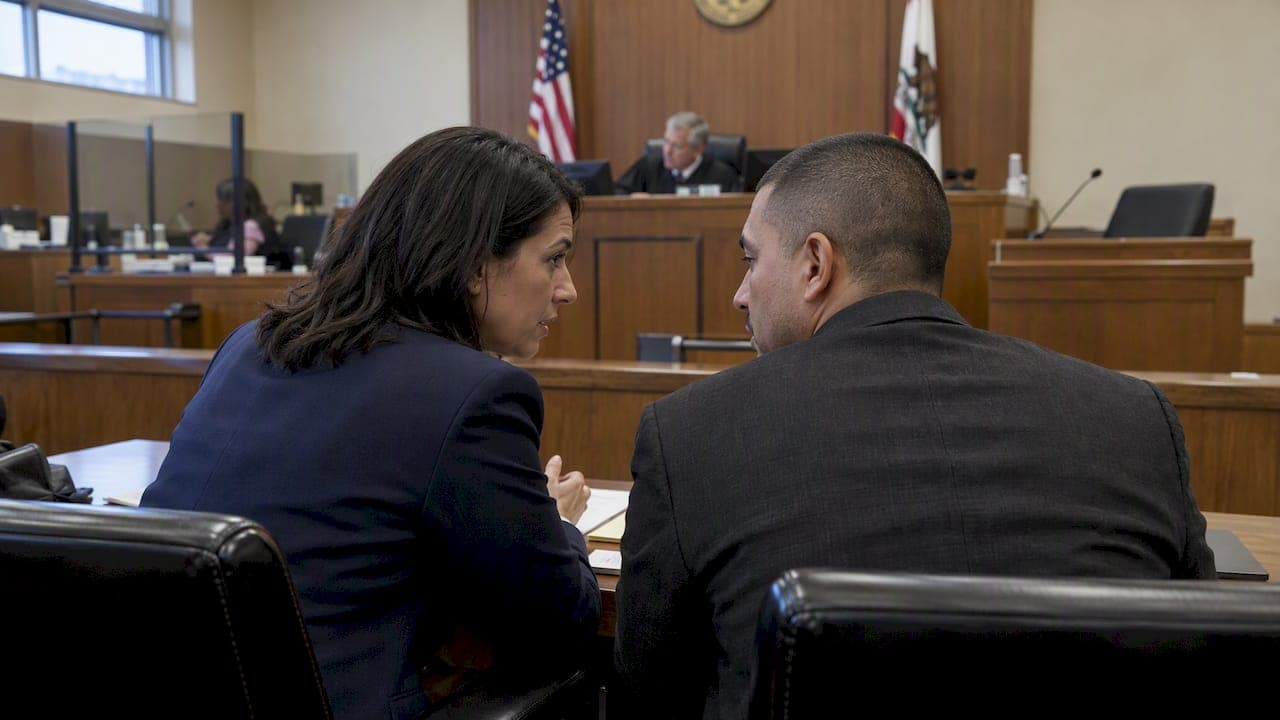
A California preliminary hearing is a judge-only proceeding to decide whether there is probable cause to hold a defendant to answer on felony charges. It is not a trial and does not decide guilt, but a finding against the defendant sends the case to superior court. State law generally requires the hearing within 10 court days of arraignment, and every defendant has the right to an attorney at every stage of the process.
TL;DR:
- The hearing is due within 10 court days of arraignment or a not guilty plea; if missed, it must occur within 60 days.
- Waiving time or requesting a continuance can affect custody status and bail conditions, so defendants should discuss the consequences with counsel before agreeing.
- Section 861 generally requires one session, unless the magistrate finds good cause; a defense continuance for certain motions waives that rule.
- Questioning prosecution witnesses can expose inconsistencies and preserve testimony for trial; weak evidence may support reduced charges, dismissal, bail changes, or stronger plea negotiations.
- Contact counsel promptly, preserve messages, documents, and footage, and write down an event timeline while memories remain fresh; identify possible witnesses early.
Table of Contents
- What a preliminary hearing is and who gets one
- Timing, deadlines, and continuances you need to know
- Step by step: what happens at the preliminary hearing
- Your rights and the choices you'll face before the hearing
- Possible outcomes and what happens next
- Attorney checklist: how we prepare clients for a preliminary hearing
- Why I treat every prelim as a strategic opportunity
- How we help with preliminary hearings and felony defense
- FAQ
- Sources
What a preliminary hearing is and who gets one
A preliminary hearing is a probable cause hearing held after a felony complaint is filed and a defendant pleads not guilty. A magistrate, not a jury, presides and decides only whether enough evidence exists to believe a crime was committed and that the defendant committed it. That standard is far lower than the "beyond a reasonable doubt" threshold required at trial, so a defendant can be held to answer even when the prosecution's case has real weaknesses.
California uses prelims instead of grand jury indictments in the vast majority of felony cases. Grand juries operate in secret, without the defendant or defense counsel present, while a preliminary hearing happens in open court with cross-examination. According to the California Courts self-help guide on pretrial activities, when charges are felonies there will generally be a preliminary hearing where the prosecution presents evidence and the judge decides if there is enough proof for the case to move forward.
Key distinctions worth knowing before your court date:
- A prelim applies to felony complaints, not misdemeanors, which typically go straight to arraignment and trial setting.
- The magistrate weighs probable cause, not guilt, and cannot convict anyone at this stage.
- Grand jury proceedings bypass the public preliminary hearing entirely and are used far less often in California than in federal court.
Timing, deadlines, and continuances you need to know
California law puts real deadlines on how long the government can wait before holding a prelim. Under the California Courts self-help guide on arraignment, a defendant has a right to a preliminary hearing within 10 court days of arraignment or entry of a not guilty plea, and if that window is missed, the hearing must happen within 60 days. Court days exclude weekends and holidays, so the real-world window often runs longer than it sounds.
Prosecutors and defense attorneys frequently ask defendants to waive time, meaning the client agrees to push the hearing beyond the statutory window. The self-help guide specifically cautions defendants to talk to a lawyer before waiving these deadlines, since a waiver can affect custody status and pretrial leverage.
A few practical points to keep in mind about delays:
- Penal Code §861 requires the prelim to be completed in one session, or the complaint is dismissed, unless the magistrate finds good cause to postpone.
- A defense request to continue the hearing in order to file certain motions is treated as a personal waiver of that one-session rule.
- Continuances can affect bail conditions and custody time, so any request to delay should be weighed against how it affects your case timeline.
Step by step: what happens at the preliminary hearing
Many courts hold a prehearing or setting conference a day or two before the actual prelim. Rule 10.953 encourages this kind of early disposition process, including voluntary discovery exchange, so that waivers, plea discussions, and readiness issues get resolved before everyone shows up for the real hearing.
At the hearing itself, there is no jury. The prosecution goes first, calling witnesses (often a police officer rather than every percipient witness) and introducing evidence meant to establish probable cause. Defense counsel cross-examines each witness, testing weaknesses in the story, inconsistencies in reports, or problems with how evidence was gathered. The defense can call its own witnesses, but that happens far less often than cross-examination, since the standard favors the prosecution and the hearing is not the moment to put on a full trial defense.
A typical sequence looks like this:
- The case is called, and the magistrate confirms readiness or handles any last waivers.
- The prosecution presents witnesses and physical or documentary evidence.
- Defense counsel cross-examines, and may raise evidentiary objections or motions.
- The magistrate rules on whether probable cause exists to hold the defendant to answer.
Pro Tip: Treat every question your attorney asks a prosecution witness as information gathering for trial, not just a chance to "win" the prelim outright.
Your rights and the choices you'll face before the hearing
Every defendant facing a felony prelim has the right to an attorney, the right to a timely hearing under the 10 court-day and 60-day rules, the right to waive the hearing altogether, and the right to testify, though attorneys rarely recommend testifying given the low bar the prosecution has to clear.
Waiving the prelim means giving up the chance to see the prosecution's evidence tested in open court and skipping straight to superior court arraignment. Some defendants waive when a plea deal is already close, since the hearing would just delay the inevitable; others insist on going forward because cross-examination can expose a weak case early, sometimes leading to reduced charges before trial even begins.
Before the hearing, it helps to walk through these questions with your attorney:
- Does waiving time help or hurt your custody status and bail conditions?
- Is there a realistic chance of a dismissal or reduction based on weak evidence?
- Are there suppression issues, such as an illegal search, worth raising through a motion?
- Would a prehearing conference resolve some issues without a full hearing?
Possible outcomes and what happens next
If the magistrate finds probable cause, the defendant is "held to answer," meaning the case is bound over to superior court for arraignment on an information and eventual trial setting. This is the outcome in most cases that reach a full prelim, since the probable cause standard is deliberately low.
Other outcomes are possible, and each changes what happens next:
- The magistrate can reduce charges to a lesser offense when the evidence does not support the original filing, which can reshape plea negotiations going forward.
- The magistrate can dismiss the complaint entirely for lack of probable cause, though prosecutors can sometimes refile charges later.
- Bail can be reviewed and adjusted based on what came out during testimony, and a weak prosecution showing can strengthen your position at the negotiating table.
As the legal resource Nolo explains, prelims are not guilt trials, but they give both sides an early look at the strength of the case, which often shapes whether a plea deal makes sense before trial.
Attorney checklist: how we prepare clients for a preliminary hearing
The moment you're facing a felony complaint, the clock on your 10 court-day window starts running, so calling counsel immediately matters more than almost anything else you can do. We ask clients to preserve any physical evidence, text messages, surveillance footage, or documents tied to the incident, and to write down a timeline of events while memories are still fresh. If you have an alibi or witnesses who can speak to what happened, we need their names and contact information as early as possible, which is part of why our guidance on preserving evidence in drug cases applies well beyond drug charges.

On the day of the hearing, dress conservatively, arrive early, and let your attorney do the talking. Courtroom behavior matters: a magistrate forms impressions of everyone in the room, even during a proceeding focused on probable cause rather than guilt.
Tactically, we use the prelim to test prosecution witnesses under oath, lock in testimony that can be used later at trial if it shifts, and preserve suppression issues such as a Penal Code §1538.5 motion to exclude illegally obtained evidence. Steps that help your case:
- Call us the same day you're arrested or served with a complaint, before any waivers are discussed.
- Bring a written timeline and any documents or digital evidence to your first consultation.
- Identify witnesses early, including anyone who can speak to an alibi or contradict the prosecution's version.
Pro Tip: Never waive time or agree to a continuance without talking to your attorney first, since both decisions can affect your custody status and your leverage later.
Why I treat every prelim as a strategic opportunity
I don't look at a preliminary hearing as a simple win or lose moment. It's a forum where the prosecution has to show its hand, and that information shapes everything that happens afterward, from suppression motions to plea negotiations to trial strategy.
Every client's case has a story, and the prelim is often the first real chance to start building that narrative in front of the court. Testing witnesses, flagging weak evidence, and setting up the right pretrial motions takes preparation, not improvisation. If you're facing a felony complaint and a prelim is coming up fast, reach out so we can start building your defense before that clock runs out.
— Logan Noblin
How we help with preliminary hearings and felony defense

We represent clients across felony matters at every stage, from the first call after arrest through the preliminary hearing and trial if it comes to that. Our criminal defense practice covers DUI defense, domestic violence charges, drug crimes, and diversion programs for veterans and clients with mental health needs, and we handle the kind of suppression motions and witness cross-examination that can change the outcome of a prelim.
A consultation gets you a review of your charges, your timeline to the 10 court-day deadline, and a frank read on your options:
- We review your complaint and identify realistic defense angles before the clock on your hearing runs out.
- We explain whether waiving time or pushing forward works better for your custody and bail situation.
- We prepare you and any witnesses for what to expect in the courtroom.
Contact our office to schedule a consultation before your hearing date arrives.
This article is general information, not a substitute for advice from a qualified lawyer. Consult a qualified legal professional about your own circumstances before acting on anything here.
FAQ
What is a preliminary hearing in California?
A preliminary hearing is a court proceeding where a magistrate decides whether there is probable cause to believe a felony was committed and that the defendant committed it. It is not a trial, and the magistrate cannot find anyone guilty at this stage, only whether the case should proceed to superior court.
What happens if you are not arraigned within 48 hours in California?
California generally requires an arraignment promptly after arrest, though this is separate from the preliminary hearing timeline itself. Once arraigned and not guilty is entered, the 10 court-day and 60-day rules for the preliminary hearing begin to run from that point forward.
What are the 7 stages of a case?
A felony case generally moves through arrest, arraignment, a possible prehearing or readiness conference, the preliminary hearing, superior court arraignment on the information, pretrial motions and negotiations, and trial. Not every case passes through every stage, since many resolve through a plea or dismissal before reaching trial.
Why is a preliminary hearing continued?
A hearing can be continued for good cause, such as a need for more time to prepare motions, unavailable witnesses, or ongoing plea negotiations. Under Penal Code §861, a defense request to continue the hearing to file certain motions counts as a personal waiver of the rule requiring the prelim to finish in one session.
Sources
- Pretrial activities in a criminal case | California Courts | Self Help Guide
- California Penal Code §861
- Rule 10.953. Procedures for disposition of cases before the preliminary hearing | Judicial Branch of California