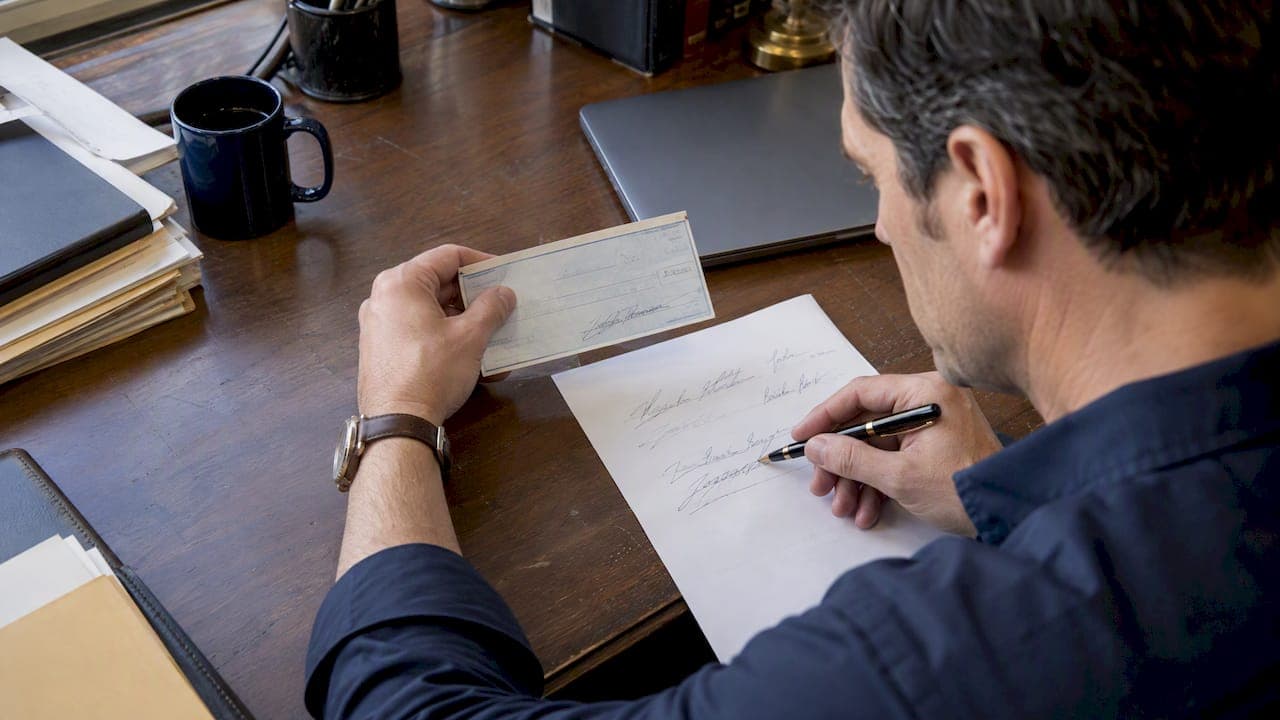
California Penal Code 476 covers making, passing, or possessing a fake or altered check with intent to defraud, and it can be charged as a misdemeanor or a felony depending on the amount, your record, and the facts prosecutors believe they can prove. If you are under investigation or have been charged, the single most important step is to stay silent with police and call a criminal defense attorney right away.
TL;DR:
- A refused check can still support charges if prosecutors prove you knew it was false and intended to defraud; successful cashing is not required.
- Felony filing becomes more likely with larger amounts, prior theft or fraud convictions, repeated checks, or evidence of an organized scheme.
- A misdemeanor conviction can bring up to one year in county jail, while fraud convictions may also lead to restitution, housing, licensing, or immigration consequences.
- A genuine belief that funds were available, permission to use the account, or weak proof of knowledge can undermine the required intent to defraud.
- Preserve bank records and messages, do not discuss the allegation with investigators, the bank, or the alleged victim, and contact defense counsel before responding.
Table of Contents
- What PC 476 Check Fraud Covers: Elements and Common Examples
- Penalties and Collateral Consequences of a PC 476 Conviction
- Statute of Limitations for Check Fraud in California
- Common Legal Defenses to PC 476 Check Fraud Charges
- If You Are Investigated or Charged: What To Do in the First 72 Hours
- Why Trust This Overview: Attorney Background and Firm Experience
- Potential Civil Liabilities Arising From Check Fraud
- How the Prosecution Process Works for PC 476 Cases
- Impact of Prior Convictions or Criminal History on Sentencing
- Resources for Victims of Check Fraud
- What Experience Teaches About How PC 476 Cases Actually Resolve
- How Our Firm Approaches PC 476 and Related Fraud Charges
- FAQ
- Sources
What PC 476 Check Fraud Covers: Elements and Common Examples
PC 476 targets the act of making, drawing, uttering, or delivering a check, draft, or order for money knowing it is fraudulent, with intent to defraud the person or bank that receives it. It does not require that the check actually be cashed. Passing a bad check to a cashier who refuses it can still support charges if prosecutors can show you intended to defraud.
To convict someone under PC 476, prosecutors generally need to prove each of these elements:
- The defendant made, passed, or possessed a fictitious or altered check, draft, or similar financial instrument.
- The defendant knew the instrument was fake, forged, or not what it appeared to be.
- The defendant intended to defraud another person, business, or bank.
- The instrument purported to be issued by a real or fictitious bank, corporation, or person with no authority to do so.
Common fact patterns that lead to PC 476 charges include forging someone else's signature on a check, altering the dollar amount after it was written, creating a check from a closed or nonexistent account, or knowingly passing a check tied to insufficient funds while representing it as good. Each scenario turns on what the person knew and intended at the moment the check changed hands.
PC 476 overlaps with, but is legally distinct from, two other statutes prosecutors often consider. Penal Code 470, California's forgery law, covers a broader range of falsified documents and signatures and can apply even when no check is involved. Theft statutes like PC 484 and PC 487 focus on unlawfully taking property or money, which prosecutors may charge alongside or instead of PC 476 when a bad check results in an actual loss. The choice between these statutes often shapes strategy, since each carries different elements and defenses, and understanding the distinction between grand theft and petty theft charges in California helps explain why prosecutors sometimes stack multiple counts from a single incident.
Penalties and Collateral Consequences of a PC 476 Conviction
PC 476 is a wobbler, meaning prosecutors can file it as a misdemeanor or a felony depending on the circumstances. A misdemeanor conviction typically carries up to one year in county jail and fines, while a felony conviction can mean a sentence served in county jail under California's realignment rules, along with steeper fines and formal probation terms.
Several factors push a case toward felony treatment:
- The dollar amount involved, with larger or repeated check amounts attracting more serious filing decisions.
- A defendant's prior convictions for theft, forgery, or fraud-related offenses.
- Evidence of a pattern, such as multiple checks passed over a short period or a sophisticated scheme involving altered account information.
- Whether the case is charged alongside forgery or theft counts that increase total exposure.
Check fraud is not a rare or isolated problem in California. Check fraud is reported at a rate similar to other states with moderate incidence on a population-adjusted basis in California, and nationally, check fraud is reported nearly twice as often as credit or debit card fraud. That volume means banks and prosecutors have become more aggressive about flagging and referring suspected bad-check activity, which raises the stakes for anyone caught in the system even when the underlying conduct was a misunderstanding rather than a scheme.
Beyond jail and fines, a conviction carries consequences that often outlast the sentence itself. Restitution to the victim or bank is almost always ordered. A fraud-related conviction can appear on background checks for years, affecting job applications, housing, and professional licensing boards that treat fraud offenses as character and fitness issues. Non-citizens may also face immigration consequences tied to a fraud conviction, which makes early legal advice critical before any plea decision.
Statute of Limitations for Check Fraud in California
California law sets different filing deadlines depending on whether PC 476 is charged as a misdemeanor or a felony, and the exact period can depend on how the facts are framed, so confirming the applicable deadline with a defense attorney is essential rather than relying on a general rule of thumb.
A few principles matter most when timing is in question:
- The clock generally starts running from the date the offense occurred, not necessarily the date a bank or victim discovered the fraud.
- Some fraud-related statutes allow the limitations period to run from discovery rather than the act itself, which can extend the window prosecutors have to file.
- Tolling rules can pause the clock in certain situations, such as when a defendant is out of state or when a victim did not reasonably have the ability to discover the fraud sooner.
These nuances matter in practice because check fraud is often discovered well after the fact, sometimes when a bank reconciles an account months later or a business audits old records. When that happens, the question of when the clock actually started becomes a real point of dispute, and a defense attorney will look closely at bank records and discovery dates before assuming prosecutors are inside their filing window. If you are contacted about conduct that allegedly happened a long time ago, do not assume the case is too old to proceed. Get the dates reviewed before you make any statements.
Common Legal Defenses to PC 476 Check Fraud Charges
Every PC 476 charge rests on proving knowledge and intent to defraud, and that is usually where the strongest defenses live. A defense attorney will typically examine these angles:
- Lack of intent to defraud. If you genuinely believed funds were available, or you made an honest mistake about an account balance, that undermines the intent element prosecutors must prove.
- Authorized use. If the account holder gave you permission to write or sign the check, even informally, that permission can defeat the claim that you acted without authority.
- Insufficient proof of knowledge. Prosecutors must show you knew the check was fraudulent or bad at the time you passed it, and gaps in that proof, such as unclear communications or conflicting witness accounts, can be fatal to the case.
- Procedural defenses. Evidence obtained through an illegal search, a broken chain of custody for the check itself, or a charging error can lead to suppression of evidence or dismissal regardless of the underlying facts.
- Mistaken identity or mischarging. When a check was issued through a joint account, a business entity, or a third party, proving exactly who made the decision to pass it can be harder than prosecutors assume.
Pro Tip: Gather every bank statement, text message, and email tied to the transaction before your first meeting with an attorney. Timing and authorization are usually proven or disproven by paper trails, not memory.
Many PC 476 cases resolve without a conviction on the books. Prosecutors and defense counsel frequently negotiate reduced charges, informal probation, or restitution agreements when the amount involved is modest and the defendant has no significant record. Diversion programs are also available in some cases, allowing a defendant to complete conditions such as restitution or classes in exchange for dismissal. Our firm's work on forgery and fraud cases through the San Diego forgery defense practice area reflects how often these negotiated outcomes depend on getting ahead of the case early, before a prosecutor's initial filing decision hardens into a position.
If You Are Investigated or Charged: What To Do in the First 72 Hours
The first three days after a bad-check allegation surfaces often determine how the rest of the case unfolds, and knowing the importance of early defense steps outlined in wire fraud defense can be critical. Follow these steps in order:
- Say nothing to police beyond identifying information. Politely decline to answer questions about the checks, the account, or your intent, and state that you want an attorney present for any further discussion.
- Do not contact the alleged victim or bank directly. Well-meaning explanations offered informally can be used against you later, even when you believe you are clearing things up.
- Preserve every piece of evidence you have access to. Bank statements, check images, text messages, emails, and any contracts or agreements about account access should be saved, not deleted, even if they seem unhelpful at first glance.
- Write down your own timeline while it is fresh. Note dates, who had access to the account, and any conversations about authorization before memory fades.
- Schedule a consultation with a criminal defense attorney before any further contact with investigators. Bring your documentation, any letters or subpoenas you received, and a list of questions about likely charges, bail or OR release, and realistic timelines.
Pro Tip: If a detective leaves a voicemail asking you to "come in and clear this up," that is an invitation to make a recorded statement, not a formality. Call an attorney before you call back.
Arraignment is typically your first court appearance, where charges are formally read and you enter a plea. Having an attorney in place before arraignment means someone can negotiate bail conditions, request a continuance if needed to review evidence, and begin building a defense instead of reacting under pressure in the courtroom.
Why Trust This Overview: Attorney Background and Firm Experience
The attorney bringing trial experience across theft, forgery, and fraud cases handles PC 476 matters. The attorney's background in writing and communication shapes how narratives are built for judges and juries, which matters in fraud cases where intent and context carry more weight than the bare fact of a bad check.
The firm's relevant experience includes defending theft and fraud charges, including check-related offenses, as part of a broader criminal defense practice.
- Publishing detailed explanatory resources on related statutes, including our Grand Theft PC 487 overview and our breakdown of PC 273.5 domestic violence charges, which reflect the same statute-by-statute approach applied here.
- Maintaining a dedicated forgery defense practice page describing defense strategies for forgery and check-related fraud allegations.
Readers evaluating representation can review these resources directly rather than relying on a general description of what a fraud defense practice should look like.
Potential Civil Liabilities Arising From Check Fraud
A criminal charge under PC 476 is not the only exposure a bad-check allegation can create. Banks and victims can pursue civil claims separately from, or in addition to, any criminal case, since the criminal and civil systems operate independently and a dismissal in one does not automatically resolve the other.
Civil exposure in check fraud cases commonly includes claims for the face value of the check, additional statutory damages that some California civil code provisions allow for bounced or fraudulent checks, and the victim's costs in pursuing collection. A business that accepted a bad check may also pursue a breach of contract or conversion claim depending on how the transaction was structured. Because civil liability can attach even when criminal charges are reduced, dismissed, or resolved through diversion, anyone facing a PC 476 allegation should ask their defense attorney how a civil claim might proceed in parallel and whether restitution paid in the criminal case can offset civil damages. Settling restitution early sometimes reduces the incentive for a victim to pursue separate civil action, though that outcome depends heavily on the specific relationship and amounts involved.
How the Prosecution Process Works for PC 476 Cases
A PC 476 case usually begins with a bank or victim reporting suspected fraud, followed by a police investigation that can include interviews, handwriting comparisons, and bank record subpoenas. Once investigators compile a report, it goes to the district attorney's office, which decides whether to file charges and at what level, misdemeanor or felony.
After filing, the case proceeds through arraignment, where the defendant enters a plea, and then into pretrial stages that typically include discovery exchange, motions to suppress evidence, and negotiation between defense counsel and the prosecutor. Many PC 476 cases resolve at this stage through a plea agreement, reduced charge, or diversion rather than proceeding to trial. If no resolution is reached, the case moves toward a preliminary hearing for felony charges or directly toward trial setting for misdemeanors, where the prosecution must prove each element of PC 476 beyond a reasonable doubt. Throughout this process, the defense's ability to challenge the knowledge and intent elements, or to raise procedural issues with how evidence was gathered, often has more influence on the outcome than the initial charging decision.

Impact of Prior Convictions or Criminal History on Sentencing
A defendant's criminal history is one of the most significant factors in how a PC 476 case is charged and sentenced. Someone with no prior record facing a first-time allegation involving a modest amount is far more likely to see a misdemeanor filing, a diversion offer, or an informal probation outcome than someone with prior theft or fraud convictions.
Prior convictions for forgery, theft, or fraud-related offenses can push a borderline case toward felony filing, since prosecutors and judges often view repeat allegations as evidence of a pattern rather than an isolated incident. A prior felony conviction can also trigger sentencing enhancements or make a defendant ineligible for certain diversion programs that would otherwise be available to a first-time offender. Even unrelated prior convictions can factor into how a judge weighs probation eligibility or custody time at sentencing. Because criminal history has this much influence on outcome, a defense attorney will often work to contextualize or mitigate the relevance of an older record, particularly when prior offenses are unrelated to fraud or occurred many years earlier.
Resources for Victims of Check Fraud
If you received a fraudulent or bad check rather than being accused of writing one, your immediate options differ from those of a defendant. Start by reporting the incident to your bank or credit union, since financial institutions have fraud departments equipped to investigate disputed checks and, in many cases, reverse unauthorized transactions. Local police can also take a report, which is often required before a bank will process certain fraud claims.
Beyond the bank and police report, victims can pursue civil remedies to recover losses, including small claims court for amounts within its limits or a civil lawsuit for larger sums. Keeping copies of the check, any correspondence with the person who issued it, and your bank's fraud case number will strengthen any claim, whether pursued through the criminal system, a civil suit, or a bank's internal fraud resolution process. Given how often check fraud occurs relative to other payment fraud, financial institutions generally have established procedures for walking victims through this process step by step.
What Experience Teaches About How PC 476 Cases Actually Resolve
Most PC 476 cases I see do not end in a trial verdict. They end in a negotiated reduction, a diversion agreement, or a dismissal once the prosecution's evidence gets tested against bank records and communications that do not line up with their theory. The charge label on the police report rarely predicts the outcome as well as the quality of the evidence does.
What moves a case more than anything is timing. A defendant who preserves records and brings in counsel early almost always has more options than one who waits until after making statements to investigators or letting evidence go stale. Intent is the hinge of nearly every PC 476 case, and intent is proven or disproven through documents, not arguments made after the fact.
— Logan Noblin
How Our Firm Approaches PC 476 and Related Fraud Charges
We defend theft and fraud allegations in San Diego, including check-related charges under PC 476, forgery under PC 470, and the broader theft statutes prosecutors sometimes charge alongside them. A consultation with our office starts with a close look at the specific checks, bank records, and communications involved, because those details usually determine which defenses are available before any strategy gets built around them.

During an initial consultation, we typically cover:
- The exact charges filed or under investigation, and whether they are likely to proceed as a misdemeanor or felony.
- Which defenses, such as lack of intent, authorized use, or evidence gaps, apply to your specific facts.
- Realistic paths forward, including negotiation, diversion eligibility, or preparing for trial if that becomes necessary.
If you are facing a PC 476 allegation or have been contacted by investigators about a disputed check, reach out through our contact page at Logancriminaldefense to schedule a consultation before you speak with anyone else about your case.
This article is general information, not a substitute for advice from a qualified lawyer. Consult a qualified legal professional about your own circumstances before acting on anything here.
FAQ
Is PC 476 a misdemeanor or felony in California?
PC 476 is a wobbler, which means prosecutors can file it as either a misdemeanor or a felony depending on the amount involved, your criminal history, and the specific facts. A first-time allegation involving a small amount is more likely to be charged as a misdemeanor than a repeat offense or a large-scale scheme.
How much jail time can you get for a bad check charge?
A misdemeanor conviction under PC 476 can carry up to one year in county jail, while a felony conviction can result in a longer sentence served under California's realignment rules. The exact sentence depends on the amount involved, prior convictions, and whether the case resolves through a plea agreement rather than trial.
What state has the most check fraud?
Based on a population-adjusted analysis of reported check fraud, Delaware and South Dakota rank highest among states measured, while California's reported rate stands at 163 reports per 100,000 residents. States with lower reported rates in that same dataset include Idaho and Wyoming.
What happens if you write a bad check over $500 in California?
A bad check over $500 is more likely to be charged as a felony under PC 476, since prosecutors often treat higher dollar amounts as evidence of more serious or intentional conduct. The exact charging decision still depends on your criminal history and whether prosecutors believe they can prove intent to defraud beyond the amount alone.