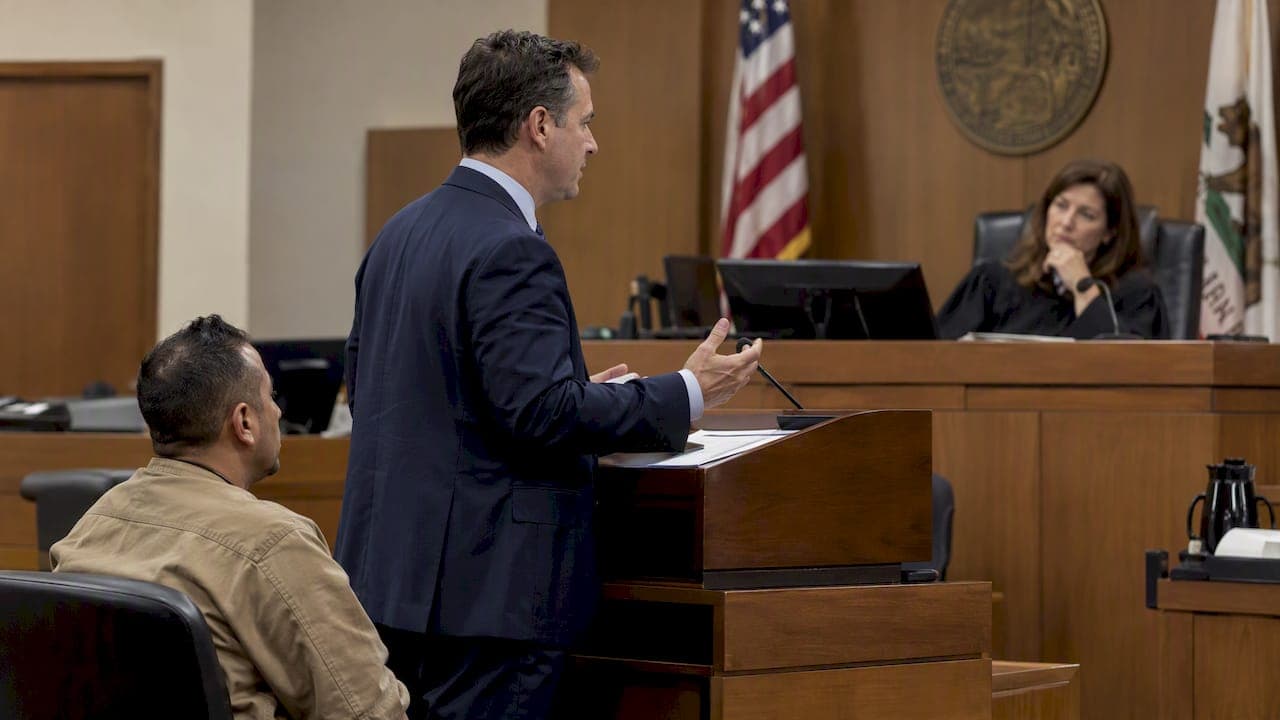
Yes, mental health diversion under California Penal Code section 1001.36 can replace prosecution with court-ordered treatment, and it may end in dismissal and restricted access to your arrest record. The key considerations are a qualifying diagnosis, a disorder that was a significant factor in the offense, and suitability for treatment without unreasonable public-safety risk. In San Diego, Behavioral Health Court and the BHOT calendar are common pathways.
TL;DR:
- A qualified mental health expert must document a DSM diagnosis or treatment within five years and connect the disorder to the alleged offense.
- File after charges and before adjudication; prepare clinical records and an expert evaluation before the initial screening, where a thin showing can prompt denial.
- San Diego’s Behavioral Health Court lasts at least 18 months; statutory diversion is capped at two years and depends on placement availability.
- Successful completion requires satisfactory performance; charges are dismissed and the arrest record is restricted, though clinical records may remain accessible in limited circumstances.
Table of Contents
- What does Penal Code 1001.36 require to qualify?
- How does a diversion request move through San Diego courts?
- What local programs and treatment requirements should you expect?
- What happens when you complete diversion successfully?
- How do you build a strong diversion request?
- Why does a San Diego attorney matter for diversion?
- A defense lawyer's view on diversion
- How we help with PC 1001.36 and San Diego diversion programs
- FAQ
- Sources
What does Penal Code 1001.36 require to qualify?
The statute turns on two questions: are you eligible, and are you suitable. Eligibility starts with a diagnosed mental disorder from the DSM, the manual published by the American Psychiatric Association, with a few conditions excluded. Under Penal Code 1001.36, the evidence must include a diagnosis or treatment record from a qualified mental health expert within the last five years.
You must also show the disorder was a significant factor in the alleged offense. The statute presumes it was, unless clear and convincing evidence says otherwise. To judge that link, the court may look at police reports, witness statements, medical records and statements from treatment providers.
Suitability is the second half. The checklist is short:
- An expert opinion that the symptoms will respond to treatment.
- A waiver of your right to a speedy trial.
- Your agreement to follow the treatment plan.
- A court finding that you would not pose an unreasonable risk to public safety if treated in the community.
The statute requires evidence of a diagnosis or treatment within five years from a qualified mental health expert, per the statute's text. Courts still have discretion, so meeting every element does not guarantee a grant.
How does a diversion request move through San Diego courts?
You can ask for diversion at any point after charges are filed and before adjudication, according to Judge Couzens' judicial memorandum. The decision is discretionary, and the court weighs the statutory criteria rather than applying a formula.
Many courts begin with an informal prima facie screening. A concise, well-documented narrative at that stage can prevent a summary denial and spare you the cost of a full forensic evaluation, as practitioner commentary on the statute notes.
Here is how the process usually unfolds:
- Your defense attorney files the request with supporting records or an offer of proof.
- The prosecution responds, often contesting suitability or public-safety risk.
- The court holds the prima facie screening and decides whether to move forward.
- If it proceeds, the court looks for a treatment program willing to accept you, often with input from probation and County Behavioral Health Services (BHS).
- The court grants or denies diversion and sets reporting dates.
In San Diego, referrals can route to the BHOT calendar, which accepts judicial, prosecutorial and probation referrals. County BHS capacity can affect how quickly a placement opens, so early preparation matters.
What local programs and treatment requirements should you expect?
Statutory diversion under 1001.36 and collaborative courts are related but not identical. Diversion is a pretrial pathway with a limited duration. Behavioral Health Court, by contrast, is a collaborative program that, according to San Diego Superior Court materials, runs a minimum of 18 months and pairs court supervision with Assertive Community Treatment (ACT) for people with serious mental illness.
ACT relies on a multidisciplinary team, housing linkage and integrated services rather than occasional office visits. Telecare's description of the program says services begin as soon as you are released from custody and that participants should expect an approximately 18-month commitment. The county's October 2025 Director's Report lists ACT, Project In-Reach and Telecare BHC among the justice-involved programs.
What participation typically includes:
- Regular treatment appointments and medication management where prescribed.
- Periodic progress reports to the court, with review hearings.
- Housing and case-management support through the treatment team.
- A program provider that agrees to accept you.
If county BHS cannot supply the services, the court can accept a written declaration to that effect and may still grant diversion.
San Diego judges granted diversion in hundreds of felony cases in 2025, NBC 7 San Diego reported, which shows the pathway is used often even as its public-safety tradeoffs draw debate.
What happens when you complete diversion successfully?
If the court finds you performed satisfactorily, it must dismiss the charges, and the clerk notifies the Department of Justice. Dismissal is the headline benefit, but the practical details matter just as much.
Under section 1001.9, your arrest record becomes restricted. That does not mean every trace vanishes. According to practitioner commentary, underlying clinical and participation records may still exist and can be reached in limited circumstances.
In practice:
- You can generally answer criminal-history questions as though the arrest did not result in a conviction, but confirm the exact wording of each application with counsel.
- Employment and licensing applications may ask different questions, so read each one carefully.
- Future court proceedings can raise the prior diversion in narrow situations.
- Completion gives you a stronger footing for further record-clearing steps, such as sealing arrest records.
How do you build a strong diversion request?
Think of the request as a package that should be ready before your first screening. Courts respond to documents, not descriptions.
Gather this evidence:
- Diagnosis and treatment notes from the last five years.
- A clinical or forensic evaluation from a qualified mental health expert.
- Police reports and witness statements that show your symptoms near the time of the offense.
- Declarations from treating providers describing your condition and your willingness to follow a plan.
A qualified expert is a licensed clinician, typically a psychiatrist or psychologist, who relies on DSM criteria. Their opinion should address three things: the diagnosis, the link between the disorder and the alleged conduct, and whether treatment is likely to work. Judge Couzens' 2018 memorandum explains why the court keeps assessing these points throughout the case.
A practical order of operations works best. Start with a clinical evaluation right away, collect your medical records while it is under way, then turn both into a written offer of proof. Share everything with your attorney so the strongest early narrative reaches the judge.

Pro Tip: Schedule your evaluation so the report is in hand before the prima facie hearing, because a thin showing at that stage is how many requests get summarily denied.
Why does a San Diego attorney matter for diversion?
Diversion is discretionary, so persuasion counts. A local criminal defense lawyer negotiates with the prosecution, lines up the right experts, steers you toward the appropriate placement and frames the offer of proof so the court sees a workable plan. Our mental health diversion page describes how we approach these cases, and our pretrial diversion work covers the earlier stages.
Questions worth asking in any consultation:
- How much experience does the lawyer have with PC 1001.36 requests?
- How familiar are they with the BHC and BHOT calendars?
- How do they coordinate with county BHS?
- What fees should you expect?
- Can they describe outcomes from comparable cases?
Once retained, a lawyer typically plans the evidence collection, files the request, prepares you for the prima facie hearing and manages reporting while you are in the program.
A defense lawyer's view on diversion
Most people assume diversion is a favor the court grants to sympathetic defendants. I see it differently: it is a plan the court agrees to supervise, and the best plans are specific. A judge weighing public safety wants to see who will treat you, where you will live, how often you will report and what happens if you struggle.
That is why we treat advocacy and treatment coordination as one job. A request that takes community safety seriously is more persuasive than one that ignores it. If you want to know whether diversion fits your situation, talk with us before your next court date.
— Logan Noblin
How we help with PC 1001.36 and San Diego diversion programs
We handle the full diversion process, from first evaluation to the last review hearing:
- Representation on mental health diversion requests.
- Coordination with qualified experts and county BHS.
- Help with record restrictions after you complete the program.
Bring your charging documents, any medical or treatment records and your court dates. Then request a consultation on our mental health diversion page or reach us through our main site.
This article is general information, not a substitute for advice from a qualified lawyer. Consult a qualified legal professional about your own circumstances before acting on anything here.
FAQ
How do you qualify for mental health diversion in California?
You need a qualifying DSM diagnosis, evidence from a qualified expert within the last five years, and a disorder that was a significant factor in the offense. The court must also find you suitable: treatment is likely to help, you waive speedy trial, you agree to comply, and you pose no unreasonable public-safety risk.
Which mental illness is considered the most severe?
No single condition holds that title, and the statute does not rank disorders. Courts look at the diagnosis, how it affected the alleged conduct and whether treatment is likely to work. Behavioral Health Court is aimed at serious mental illness, according to San Diego Superior Court materials.
How can you help someone with mental illness who doesn't want help?
Stay calm, listen without arguing about the diagnosis and offer concrete next steps rather than ultimatums. San Diego County lists crisis and clinic resources at UP2SD, including the 988 line. Diversion requires the person's own agreement to comply with treatment, so willingness matters.
Is there a "3 month rule" for mental health diversion?
Not in the statute we rely on. What the law does set is a cap: diversion periods are limited to no more than two years, and the court sets the actual length case by case.
Sources
- California Code, PEN 1001.36.
- BEHAVIORAL HEALTH SERVICES (BHS) DIRECTOR’S REPORT – October 2025 BHS JUSTICE-INVOLVED AND RE-ENTRY PROGRAM UPDATES TURN to Recovery Collaborative Courts: Drug Court