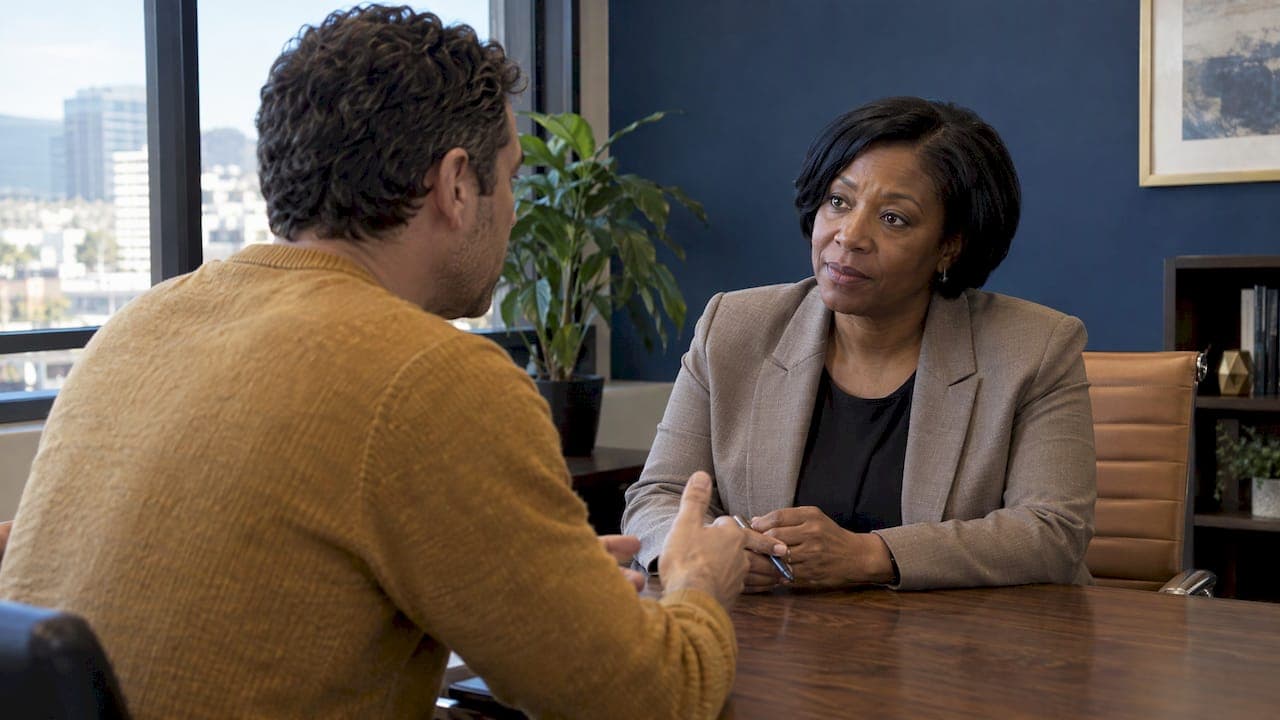
Choose a lawyer who handles your type of charge regularly, knows the courthouse where your case will be heard, will tell you plainly where your case is strong and weak, and explains fees in writing before you sign. Everything else is detail. This guide walks through each of those tests, the questions to ask in a first consultation, what fees cover, and the warning signs worth heeding. It is written for people in San Diego County who are facing a charge right now and need to decide quickly.
TL;DR
- Look for a lawyer with experience in the court where your case is pending and with offenses like yours, not just "criminal law" in general.
- In California, a State Bar Certified Specialist in Criminal Law has passed an exam and been evaluated by judges and other attorneys. Ask whether your lawyer holds that certification.
- Use the first consultation to ask who will actually work on your case, what the lawyer thinks of its strengths and weaknesses, and what the fee does and does not cover.
- Treat any guarantee of victory as a warning sign.
- Contact a lawyer early. Some of the best options, such as diversion or pre-charge intervention, narrow as a case moves forward.
Table of Contents
- Start with experience in your courthouse
- Match the lawyer to your charge
- Matching your situation to the right kind of defense
- Questions to ask in the first consultation
- Communication and availability
- Understand fees before you sign
- Warning signs worth heeding
- Why timing matters
- Perspective
- Talk to a San Diego defense attorney
- FAQ
- Sources
Start with experience in your courthouse
A criminal case is not decided in the abstract. It is decided in a particular courtroom, by a particular judge, against a particular prosecutor's office. According to Nolo, you should try to hire an attorney who has experience in the specific courthouse where your case is pending, because procedures differ from one courthouse to another. Local attorneys also know which prosecutors tend to settle right before trial and how police officers hold up in front of juries.
That is practical knowledge you cannot get from a website. It affects how a lawyer negotiates, how they time motions, and how they prepare you for what the first hearing will look like.
The same Nolo page points out that prosecutors may take a settlement offer more seriously when it comes from a lawyer who has tried cases against them and is ready to go to trial. A lawyer who never leaves the plea table has less leverage at it.
Professional standards say much the same thing. The Washington State Bar Association's performance guidelines say quality representation requires familiarity with substantive criminal law and procedure as applied in the particular jurisdiction, plus a continuing duty to keep up with changes in the law. North Carolina's defense guidelines add that counsel should consult more experienced attorneys to learn the practices of judges, prosecutors and court personnel. These documents come from other states, but the principle carries over to San Diego: local knowledge is part of competent defense.
What to ask about courtroom time
During the consultation, ask:
- How often do you appear in the court where my case will be assigned?
- How many cases like mine have you handled, and how did they resolve?
- Have you taken cases like mine to a jury trial, or do they usually settle?
Nolo suggests asking about the share of the lawyer's practice that involves your type of charge and the share that involves appearances in your court. Those percentages tell you more than a general claim of "many years of experience."
Match the lawyer to your charge
Modern criminal law is complicated enough that many lawyers concentrate on particular kinds of cases. Nolo notes that impaired driving, drug offenses and white-collar crimes are common specialties, and it advises finding someone who has represented defendants charged with the same or very similar offenses. A lawyer who works in a given area every week knows its science, its case law and the usual weak points in the prosecution's evidence.
The point is depth, not a longer résumé. A lawyer who has litigated a DUI blood-test dispute many times will see problems in your lab report faster than someone reading one for the first time. A lawyer who works on domestic violence cases knows how restraining orders, protective conditions and custody proceedings interact.
Board certification as a starting filter
California has a formal credential for this. The State Bar of California explains that a Certified Specialist in Criminal Law has passed a comprehensive written exam, shown extensive and varied experience in criminal law, completed ongoing education, and been favorably evaluated by attorneys and judges who know their work.

Certification is not the only sign of a strong lawyer, and many excellent attorneys do not hold it. But it is a concrete, checkable credential. You can ask about it directly, and you can confirm any California lawyer's license status on the State Bar's website.
Avoid the dabbler
One firm's guide to hiring a lawyer warns against the "dabbler," a lawyer who takes on a case without enough experience, knowledge or fit. The way to spot one is to ask for specifics: which statutes come up most in cases like yours, what defenses are realistic, and what the typical outcomes look like locally.
Matching your situation to the right kind of defense
Different circumstances call for different strengths. Here is how the choice usually plays out in San Diego:
| Your situation | What to look for | Where to read more |
|---|---|---|
| First or repeat DUI, drug DUI, or a commercial license at risk | A lawyer who litigates DUI evidence and handles DMV license consequences | Second DUI, drug DUI, CDL DUI |
| Domestic violence, battery or a restraining order | A lawyer who understands the criminal case and the family-court fallout together | Domestic violence defense, DVRO defense |
| Drug possession, sales or transportation | A lawyer who challenges searches and stops and knows the state and federal systems | Drug crime defense |
| Veteran or mental health issue behind the charge | A lawyer who knows how diversion applications are built and argued | Diversion programs, mental health diversion |
| Arrest at the border or federal charge | A lawyer who practices in federal court | Federal and border defense |
| Professional license at stake | A lawyer who treats the licensing consequences as part of the defense strategy from day one | Criminal defense overview |
| Old conviction holding you back | A lawyer who handles expungement and record clearing | Expungement |
If you are a professional, say so in the first call. A nurse, teacher, contractor or driver may be hurt more by the record than by the sentence, and the best resolution of the case may look different when the license is the real stake.
Questions to ask in the first consultation
A consultation is a two-way interview. You are judging the lawyer as much as the lawyer is judging your case. Bring your paperwork: the citation, the complaint, any bail or release documents, and a list of court dates.
- Who will work on my case? The Maryland People's Law Library advises asking whether the attorney will do the research, case preparation, negotiation and court work personally, or whether associates or non-attorney advocates will handle parts of it, and what their experience is.
- Will staff be involved, and will that cost extra? The American Bar Association suggests asking whether paralegals or law clerks will research or prepare the case and whether they are billed separately.
- What do you see as the strengths and weaknesses of my case? The ABA recommends asking for this opinion. A lawyer who can discuss it honestly after a short review is showing you how they think.
- What are my realistic options? Dismissal, reduction, diversion, plea or trial each carry different consequences. A good answer lays them out and explains the trade-offs.
- What will it cost, and what is included? More on this below.
- If you can't take my case, who would you recommend? The ABA lists this as a useful question too, and the answer says a lot about the lawyer's standing among peers.
- What should I do, and not do, between now and my first court date? Practical instructions about contact with the other party, social media, and deadlines (including DMV deadlines in a DUI) show whether the lawyer is already thinking about the case.
If you want a sense of what happens once you are in the courtroom, our court-day preparation checklist covers the checks that matter before each appearance.
Communication and availability
You will be anxious during a criminal case, and you will have questions. How a firm treats you before you pay is a fair preview of how it will treat you after.
The Maryland People's Law Library suggests watching whether the lawyer answers openly and directly, gives written background material, explains things clearly, and whether office staff are helpful and identify themselves on the phone. Those are small observations you can make in a ten-minute call.
The ABA's guidance also describes the working relationship you should expect: it is often in your interest to take an active part in your case, the lawyer should make no major decision about whether and how to proceed without your permission, and they should explain the case fully and keep you informed of progress. If a lawyer brushes aside your questions during the consultation, expect the same later.
Online reviews can supplement this. One guide to checking a lawyer's reputation recommends looking for patterns around responsiveness: repeated mentions of unreturned calls are a red flag, while a single bad review means little. Read for specifics, such as whether people describe being kept informed and whether outcomes were explained honestly.

Understand fees before you sign
Criminal defense fees vary with the charge, the court and how far the case goes. Nolo's fee overview reports that a misdemeanor going to trial should not surprise you with a fee around $2,500 to $5,000, and that in a felony case an attorney may want an advance of around $3,500 plus $1,000 or more per trial day. It adds that most attorneys want all or a large part of their fees upfront. These are general national figures, not a quote from any firm, and San Diego fees depend on the specifics of your case.
Retainers, flat fees and hourly billing
The State Bar of California explains that a retainer can secure the lawyer's availability for your case, can keep the lawyer on call over a period, or can work as a down payment from which fees are subtracted until it is used up. Ask which kind you are being offered.
Law firms generally use retainers, hourly fees or flat fees depending on the type of case. Whichever structure you are offered, get it in a written fee agreement.
Ask what is not included
The State Bar lists costs that can come on top of attorney fees, including filing fees, investigators, experts and consultants, court reporters, copying, postage and courier charges, travel, and witness fees. One consumer guide, ImNotAnAttorney, notes that a flat fee for the pretrial phase does not always include a trial, and that fines and court fees are usually separate from the lawyer's fee.
Three questions keep the total predictable:
- Does the fee cover only the pretrial phase, or does it include trial if one is needed?
- Which expenses, such as experts or investigators, would be billed separately, and would you approve them first?
- What happens to the fee if the case resolves early?
Warning signs worth heeding
The clearest one comes from the American Bar Association: be wary of a lawyer who guarantees a big settlement or promises victory in court, because many factors affect how a case ends. Nobody controls a judge, a jury or a witness.
Other signals worth noting:
- A lawyer who cannot say how often they handle your kind of charge.
- Vague answers about who will be in court with you.
- Pressure to sign immediately without a written fee agreement.
- Unclear explanations of what the fee covers.
- A pattern of complaints about unreturned calls, in reviews or in your own experience trying to reach the office.
None of these requires a long investigation. Most show up in the first conversation.
Why timing matters
The earlier a lawyer is involved, the more options exist. Before charges are filed, a lawyer may be able to speak with the prosecutor, gather favorable information and present your side. After filing, programs such as pretrial diversion and judicial diversion have their own eligibility rules and procedures that a lawyer needs to navigate. And do not talk to investigators without counsel: even giving inaccurate information to police can create a separate problem.
Perspective
We built our practice around a simple idea: the person behind the case file matters. Prosecutors see a charge. Judges and juries see a few minutes of evidence. Our job is to make sure they also see who you are.
That is why we focus on telling each client's story. Logan's background as a published writer and journalist shapes how we prepare: we look for the facts that humanize you and put them in front of the people who decide your case. Our approach is designed to combine compassionate service with aggressive advocacy.
When you are choosing a lawyer, we would point you to three things. First, trial experience, because a case prepared for trial gives you leverage in every negotiation. Logan has earned multiple not guilty verdicts and case dismissals, and he was once named Attorney of the Year. Second, knowledge of diversion. For veterans, people with mental health needs and first-time defendants, a well-built diversion application can mean the case ends without a conviction. Third, early involvement. We offer pre-charge intervention because the best time to shape a case is before it hardens.
Hire the person you trust to speak for you, and who will tell you the truth about your options.
Logan Noblin
Talk to a San Diego defense attorney
The Law Office of Logan Noblin, APC represents people in San Diego facing DUI, domestic violence, drug, theft and fraud, sex crime, violent crime, and federal and border charges. We also handle diversion programs for military and mental health cases, warrants and probation matters, expungements and record clearing, and cases where a professional license is at risk. If you are weighing your options, reach out to our San Diego criminal defense team and bring your paperwork to the consultation.

If your concern is an older record, see our page on expungement and record clearing. For an outstanding warrant or probation problem, see warrants and probation defense.
FAQ
How do I find the best criminal defense lawyer for my case?
Start with lawyers who regularly handle your type of charge in the court where your case is pending. Then meet at least one or two in person or by phone, ask about their trial experience and who will handle your case day to day, and compare how clearly each explains your options and fees.
Should I hire a specialist or a general practitioner?
Nolo advises finding an attorney who has represented defendants charged with the same or very similar offenses. In California, you can also ask whether a lawyer is a State Bar Certified Specialist in Criminal Law, a credential that requires an exam, ongoing education and peer and judicial evaluation.
What are the red flags when hiring a lawyer?
The biggest is a guarantee of victory, which the American Bar Association warns against. Also be cautious about vague fee terms, unclear answers about who will actually work on your case, and repeated reports of unreturned calls.
How much does a criminal defense lawyer cost?
It depends on the charge, the court and whether the case goes to trial. Nolo cites a national range of about $2,500 to $5,000 for a misdemeanor trial and an advance of around $3,500 plus $1,000 or more per trial day for a felony. Ask any lawyer for a written fee agreement that says what is and is not included.
When should I contact a lawyer?
As soon as you know you are under investigation, have been arrested or have received a citation. Earlier involvement leaves more options open, including pre-charge intervention and diversion.
Sources
- What to Look for in a Private Criminal Defense Attorney, Nolo
- How Much Does a Criminal Defense Lawyer Cost?, Nolo
- What Can a Criminal Law Certified Specialist Do For You?, State Bar of California
- What to Expect Regarding Fees and Billing, State Bar of California
- Performance Guidelines for Criminal Defense Representation, North Carolina
- Performance Guidelines for Criminal Defense Representation, Washington State Bar Association
- Tips on Hiring a Private Attorney, Maryland People's Law Library
- How Do I Know if a Lawyer is Right for Me?, American Bar Association
- How to Check a Lawyer's Reputation Before Hiring, Legal Clarity
- What a Criminal Defense Actually Costs, ImNotAnAttorney
- The Top Six Questions to Ask Yourself when Hiring a Lawyer